


Metsä Group receives EUR 21 million for Rauma carbon capture plant
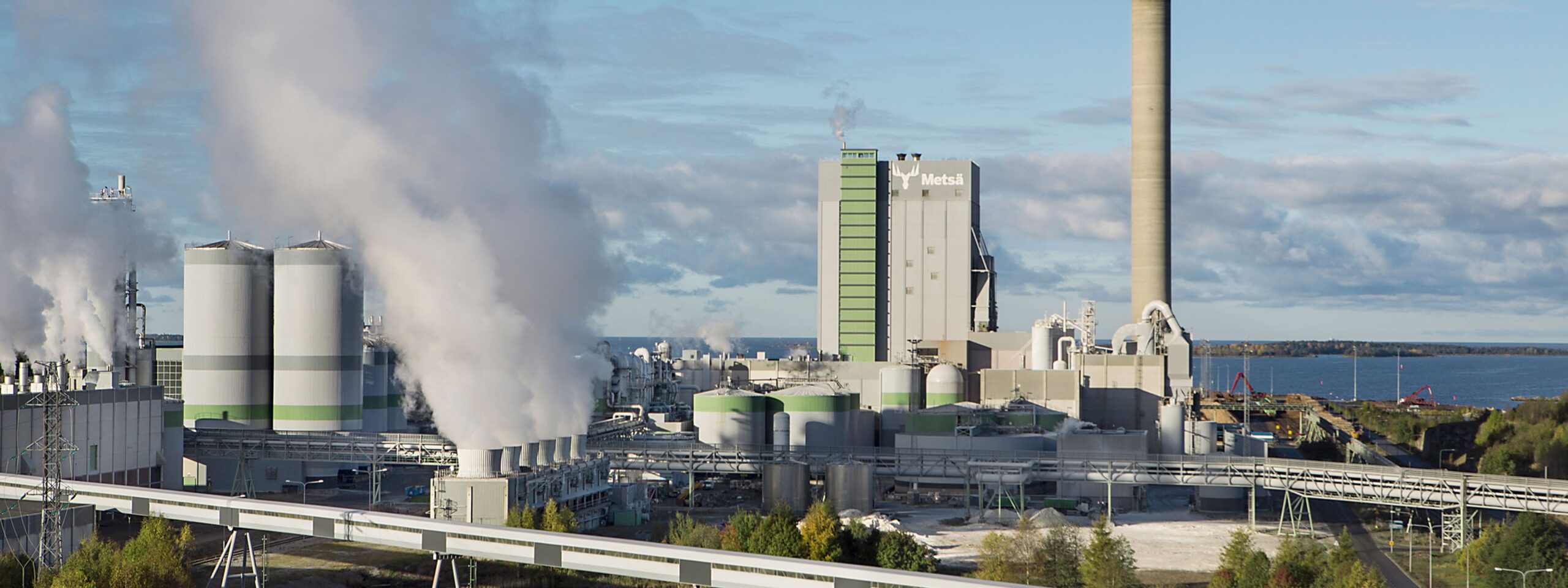
Metsä Group has been awarded EUR 21 million in public funding for its planned wood-based carbon dioxide capture plant at the Rauma pulp mill in Finland.
The aid was granted through a reverse auction organised by Finland’s Ministry of Economic Affairs and Employment. The mechanism awarded support to projects requiring the lowest level of public funding per unit of carbon dioxide capture capacity.
According to Metsä Group, securing the aid is one of the key prerequisites for advancing the investment. The company is developing a new industrial value chain based on the capture and commercial use of biogenic carbon dioxide generated in pulp production.
The planned facility would capture carbon dioxide from the flue gases of the recovery boiler at Metsä Fibre’s Rauma pulp mill. The project has a nominal capture capacity of approximately 100,000 tonnes of wood-based carbon dioxide per year.
Metsä Group intends for customers to use the captured carbon dioxide as a raw material in the production of e-fuels. Replacing fossil carbon with 100,000 tonnes of wood-based CO₂ annually in such a fuel value chain could avoid fossil carbon dioxide emissions equivalent to the annual emissions of nearly 30,000 passenger cars.
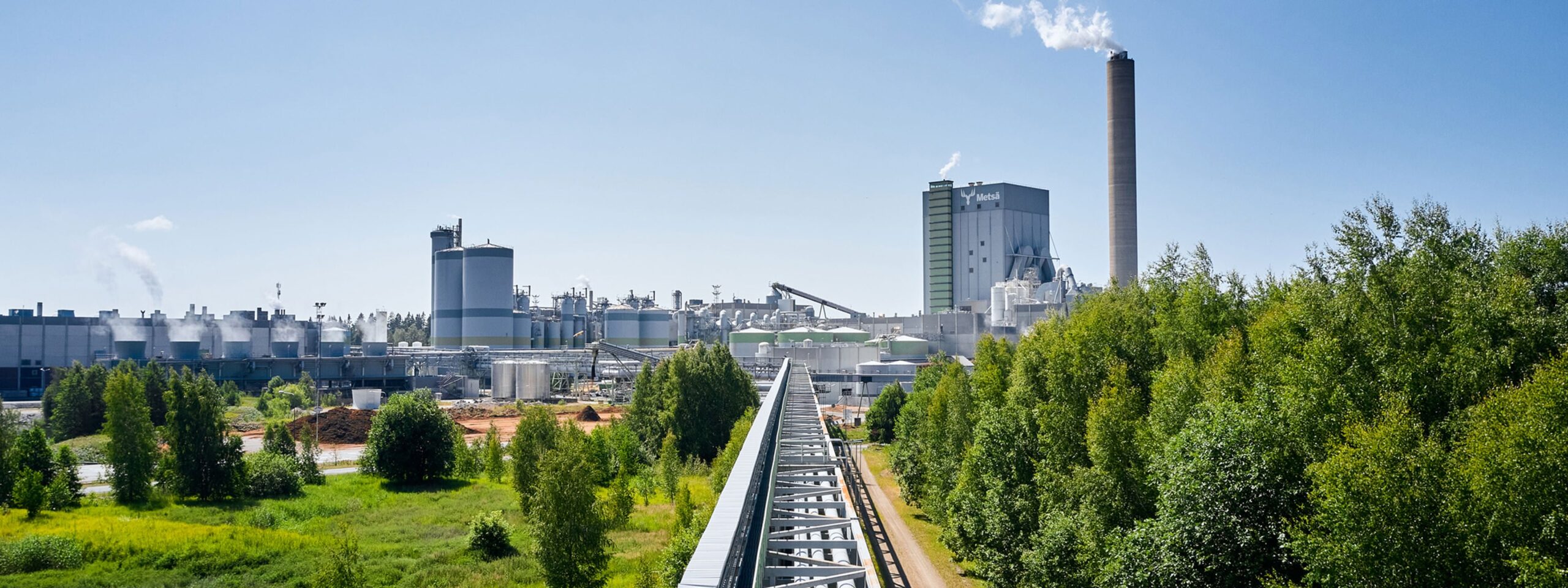
The project is also intended to create new commercial opportunities by transforming carbon dioxide that is currently generated as a side stream of pulp production into a usable industrial raw material.
Metsä Group began pre-engineering for the commercial-scale carbon capture facility earlier in 2026, following pilot testing carried out at the Rauma mill in 2025 in cooperation with technology supplier Andritz. The pilot work provided a basis for further scale-up of carbon capture technology for pulp mill flue gases.
A final investment decision is not expected before the beginning of 2027. In addition to the funding already awarded, the project remains conditional on receiving an environmental permit, completing the engineering work and securing sufficient market demand for the captured carbon dioxide.
The EUR 21 million aid will only be paid if the investment is ultimately implemented.
Metsä Group sees biogenic carbon capture as part of a broader opportunity to replace fossil-based carbon with renewable wood-based carbon in new industrial applications. In addition to e-fuels, captured biogenic CO₂ could potentially serve as a raw material for chemicals and other products.
The Rauma project would represent a commercial-scale step in the development of carbon capture and utilisation within the forest industry.