


British Columbia moves forward with new forest management model
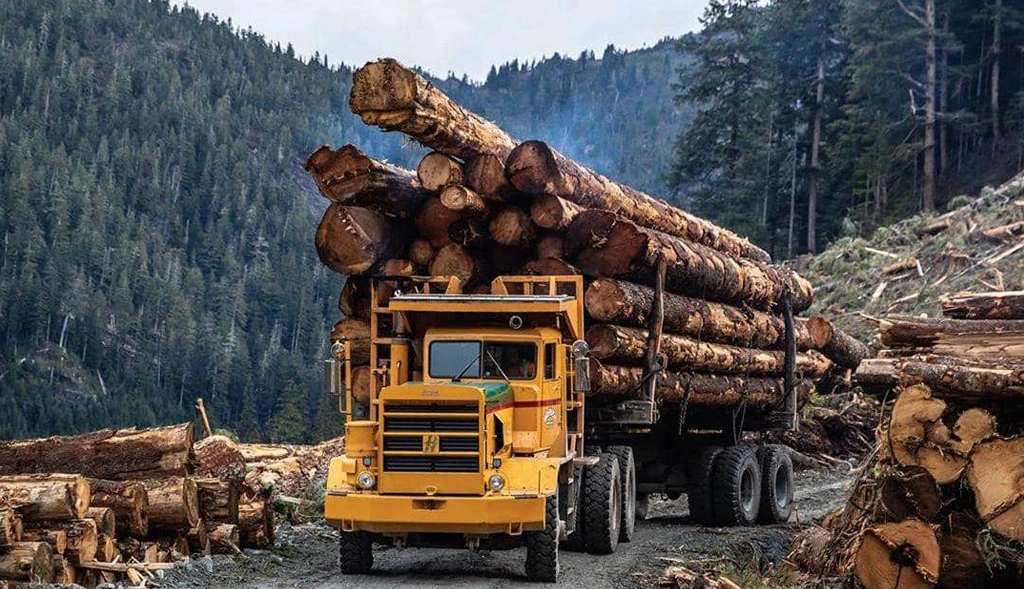
The Government of British Columbia is moving ahead with plans to explore a new Working Forest Landscape Model designed to modernize forest management and provide greater clarity for industry, workers, First Nations, local communities and conservation priorities.
The proposed model builds on several years of forestry reviews and planning initiatives and is based on a three-zone approach intended to create a more coordinated system for land use, stewardship and economic development across public forests.
The three proposed management zones are a Working-Forest Zone, a Multiple-Use Zone and a Conservation and Protection Zone.
The Working-Forest Zone would prioritize the sustainable production of timber for commercial harvesting and would aim to provide greater long-term certainty for forestry operators, manufacturers, workers and communities.
The Multiple-Use Zone would focus on the restoration and enhancement of biodiversity and ecosystem functions while continuing to allow carefully managed resource development and other land uses.
The Conservation and Protection Zone would be dedicated primarily to maintaining long-term ecosystem function and biodiversity through protected habitat and conservation networks.
“Our forests are changing and that means our forest management system must evolve,” said Ravi Parmar, Minister of Forests. “This is about planning first, focusing on better management and eliminating permitting obstacles. If we establish a clear vision for our working forests through long-term planning, we can reduce unnecessary red tape, improve land stewardship, create greater predictability for workers and communities, and build a forest sector that is more competitive and value-added.”
By establishing clear, long-term objectives across three interconnected landscape management zones, the Province aims to support sustainable forestry, improve biodiversity and ecosystem health, strengthen resilience to drought and wildfire and provide greater confidence for long-term investment.
“By planning across regions instead of making forestry-related decisions one at a time, we can better monitor and protect biodiversity and ecosystem health across the entire landscape,” said Randene Neill, Minister of Water, Land and Resource Stewardship. “By conserving healthy forests, we are protecting wildlife habitat and supporting watershed health, which is integral to keeping everyone healthy and supporting our economy.” The Province will begin working with First Nations to identify early candidate areas where the three-zone model could be tested. Targeted engagement with industry, local governments and environmental groups will also form part of the early implementation process.
The first areas selected to test the approach are expected to be announced in fall 2026.
A more stable and predictable forestry system
British Columbia’s current forest management system often requires operators and decision-makers to pursue several objectives simultaneously, increasing complexity, costs and uncertainty for the forest sector while also creating challenges in meeting public expectations for biodiversity and ecosystem protection. Approvals for forestry activities, restoration projects and conservation initiatives can also be delayed by a permitting system that largely operates on a case-by-case basis.
The proposed Working Forest Landscape Model is intended to provide clearer long-term direction on where forestry activities will take place and where conservation priorities will apply. According to the Province, this could help support employment, local communities and sustainable forest management while also improving biodiversity and ecosystem health.
Over time, the new model is intended to identify areas where sustainable timber production will be prioritized in order to stabilize an economic land base capable of contributing to an annual timber harvest of approximately 45 million cubic metres and providing greater confidence for investors in the forestry sector.
The Multiple-Use Zone is expected to demonstrate measurable improvements in biodiversity, ecosystem restoration and forest health while continuing to support some forms of resource development.
The Conservation and Protection Zone, meanwhile, would focus on increasing the protection of critical biodiversity values, ecological restoration and long-term resilience. The Province has indicated that the proposed model will operate alongside existing forest landscape plans, land-use plans and other planning initiatives. Rather than replacing these processes, the three-zone approach is intended to provide broader landscape-level objectives that clarify how economic, ecological and conservation priorities can be achieved. More detailed management direction would continue to be developed through existing planning processes and First Nations-led initiatives.
The model also introduces the concept of a no-net-loss principle for both the Working-Forest Zone and the Conservation and Protection Zone. Under this approach, the amount of land available for working forests and the amount allocated to conservation would remain broadly stable over time, although the Province has stated that the concept will require further development.
Building on previous forestry reforms
The Working Forest Landscape Model builds on several years of forestry modernization initiatives in British Columbia, including the Old Growth Action Plan, the BC Timber Sales Review, recommendations from the Provincial Forest Advisory Council and the recently released report from the Canadian Forest Sector Transformation Task Force.
These initiatives have identified the need for a forest management system that improves competitiveness, strengthens resource stewardship, advances reconciliation with First Nations and provides greater economic stability for communities across the province.
The initiative is being jointly led by the Ministry of Forests and the Ministry of Water, Land and Resource Stewardship. Forestry remains one of British Columbia’s most important resource-based industries and continues to support thousands of jobs throughout the province. The proposed model is also expected to contribute to British Columbia’s commitment to protect 30% of its land base by 2030, while continuing implementation of the Old Growth Action Plan and developing conservation outcomes in partnership with First Nations.