Unifor members ratify Eastern Canada pulp and paper agreement
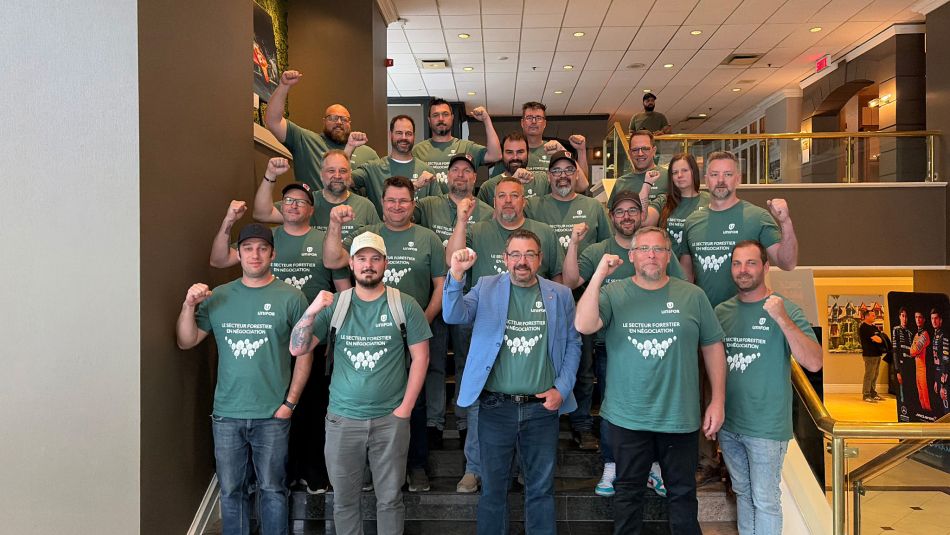
Unifor members at the Domtar mills involved in Eastern Canada’s pulp and paper pattern bargaining have ratified the conciliator’s settlement recommendation, establishing the terms of a new industry pattern agreement. The agreement will serve as a model for future negotiations across the pulp and paper sector in Eastern Canada. It was reached after three rounds of negotiations between Unifor and Domtar, the employer selected for this round of pattern bargaining.
When talks reached an impasse, the parties agreed to submit the conciliator’s recommendation to members at the three mills. According to the union, failure to reach an agreement would have resulted in an immediate labour dispute. The four-year contract is effective from 1 May 2026 to 30 April 2030. It provides annual wage increases of 2.5%, representing a cumulative 10% increase, as well as an annual attendance bonus of up to 1%.
The settlement also includes improvements relating to holidays and leave, group insurance, the pension plan and the probationary period.
The negotiations took place against a difficult background for Canada’s forestry industry, which has faced trade tensions with the United States, higher tariffs on Canadian forestry products, production slowdowns, mill shutdowns and layoffs.
Lana Payne, Unifor National President, said: “Forestry workers are the victims of a trade war they did not start. The situation is urgent, and the response must be commensurate with the challenges facing the industry.”
Daniel Cloutier, Unifor’s Quebec Director, said members had chosen to protect previously achieved gains, secure improvements and establish a pattern agreement that could provide a benchmark for bargaining in the rest of the sector.
With the pulp and paper agreement now in place, Unifor is expected to continue its coordinated bargaining strategy, first in the sawmill sector and subsequently in other parts of the forestry industry.