PPWR opens a new chapter for circular packaging in Europe
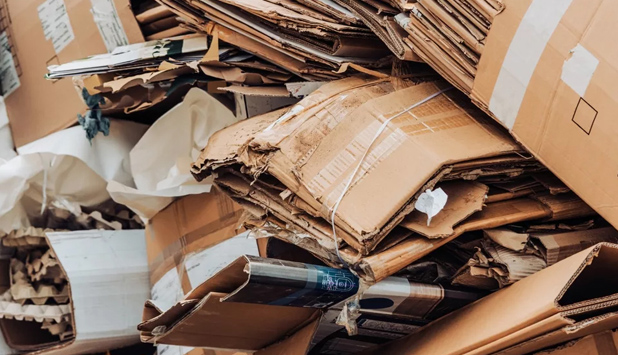
The Packaging and Packaging Waste Regulation (PPWR) marks a major step in the development of a more circular packaging economy in Europe, introducing harmonised rules across the European Union and strengthening the role of renewable resources, recycling and secondary raw materials.
According to Horst Bittermann, Director General of Pro Carton, the regulation represents the first EU-wide framework specifically designed to reinforce circularity in packaging while supporting the use of renewable resources produced within Europe. In his view, this approach can also contribute to improving the EU’s resilience to energy crises and external market pressures while strengthening industrial competitiveness.
The PPWR requires packaging to be recyclable by 2030 and effectively recycled from 2035. It also introduces recycled content requirements for plastic packaging and provides for the replacement of certain single-use plastic packaging applications with circular and renewable alternatives.
Adopted as Regulation (EU) 2025/40, the PPWR entered into force on 11 February 2025 and applies directly across all EU Member States. By creating a common regulatory framework for all 27 countries, it is intended to support the functioning of the EU single market and facilitate the movement of products, packaging and recycled secondary raw materials. Bittermann underlined that limiting the use of national derogations will be important to provide companies with the regulatory certainty required for investment and innovation.
The first measures will apply from 12 August 2026, including limits on PFAS and heavy metals in food-contact packaging. Packaging will also have to be marked to identify its type and manufacturer, while producers placing packaging on a national market for the first time will be required to register and contribute through Extended Producer Responsibility fees to the costs of collection, sorting and recycling.
A key role for paper-based packaging
Pro Carton welcomed the move towards harmonised packaging regulation but also highlighted the importance of how packaging waste reduction targets are defined. Bittermann argued that packaging which is successfully collected and recycled should be treated as a valuable secondary raw material rather than simply as waste. According to this view, reducing packaging volumes without distinguishing between recyclable and non-recycled materials could create unintended consequences, including insufficient product protection, increased food waste and greater product damage.
The cartonboard and folding carton sector is expected to play a significant role in the transition. Paper-based packaging is lightweight, renewable and supported by established recycling systems across Europe, positioning it well to meet the new regulatory requirements.
“The PPWR sets an ambitious direction for packaging, and we are ready to lead the execution,” Bittermann concluded.