


Mercer Peace River Pulp and Svante CO₂ capture demonstration unit enters operation
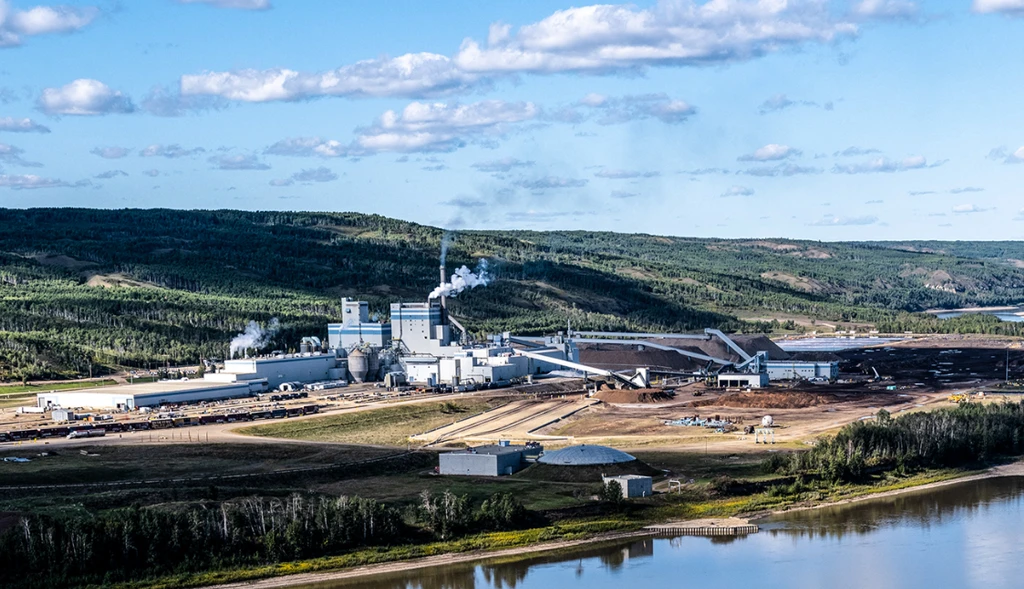
Mercer Peace River Pulp (MPR), in cooperation with Svante Technologies, commenced operation of a previously announced carbon dioxide (CO₂) capture demonstration unit at the Mercer Peace River pulp mill, located in Peace River, Alberta, Canada.
The pilot installation was designed to evaluate Svante’s solid sorbent carbon capture technology applied to biogenic CO₂ emissions generated from the mill’s recovery boiler flue gas. The demonstration marked a new phase in assessing the technical feasibility of carbon capture solutions within an operating pulp mill environment.
This stage built upon the previously completed Front-End Engineering and Design Phase 2 (FEL-2 / pre-FEED), during which design parameters, site integration, cost structures, risk assessments and potential pathways for future commercial-scale deployment at the mill were evaluated. The approximately six-month demonstration period was intended to generate detailed technical and operational data to support subsequent engineering phases and longer-term strategic planning.
Commenting on the development, Bill Adams, Chief Sustainability Officer and Senior Vice President, Canadian Pulp Operations, stated: “Commissioning this demonstration unit is an important and cost-efficient step for our Peace River team. It allows us to evaluate carbon capture performance in our operating environment and gather practical data on what would be required for any future scale-up.” He added: “The results from this on-site demonstration will help us evaluate the decarbonization potential of this technology for biogenic emissions and inform longer-term planning across our pulp operations.”
From Svante’s perspective, Scott Gardner, President of Svante Development Company, commented: “We are pleased to see this project advance into on-site demonstration operations. Testing our technology in an operating pulp mill environment is an important step in gathering the information needed to assess future opportunities for commercial-scale carbon capture in the wider pulp and paper industry.”
Any potential advancement of the project beyond the demonstration phase will depend on several factors, including the outcomes of the demonstration programme as well as further economic, technical and commercial considerations.