U.S. imposes steep 20.56% anti-dumping duties on Canadian softwood lumber, hitting B.C.’s forestry sector hard
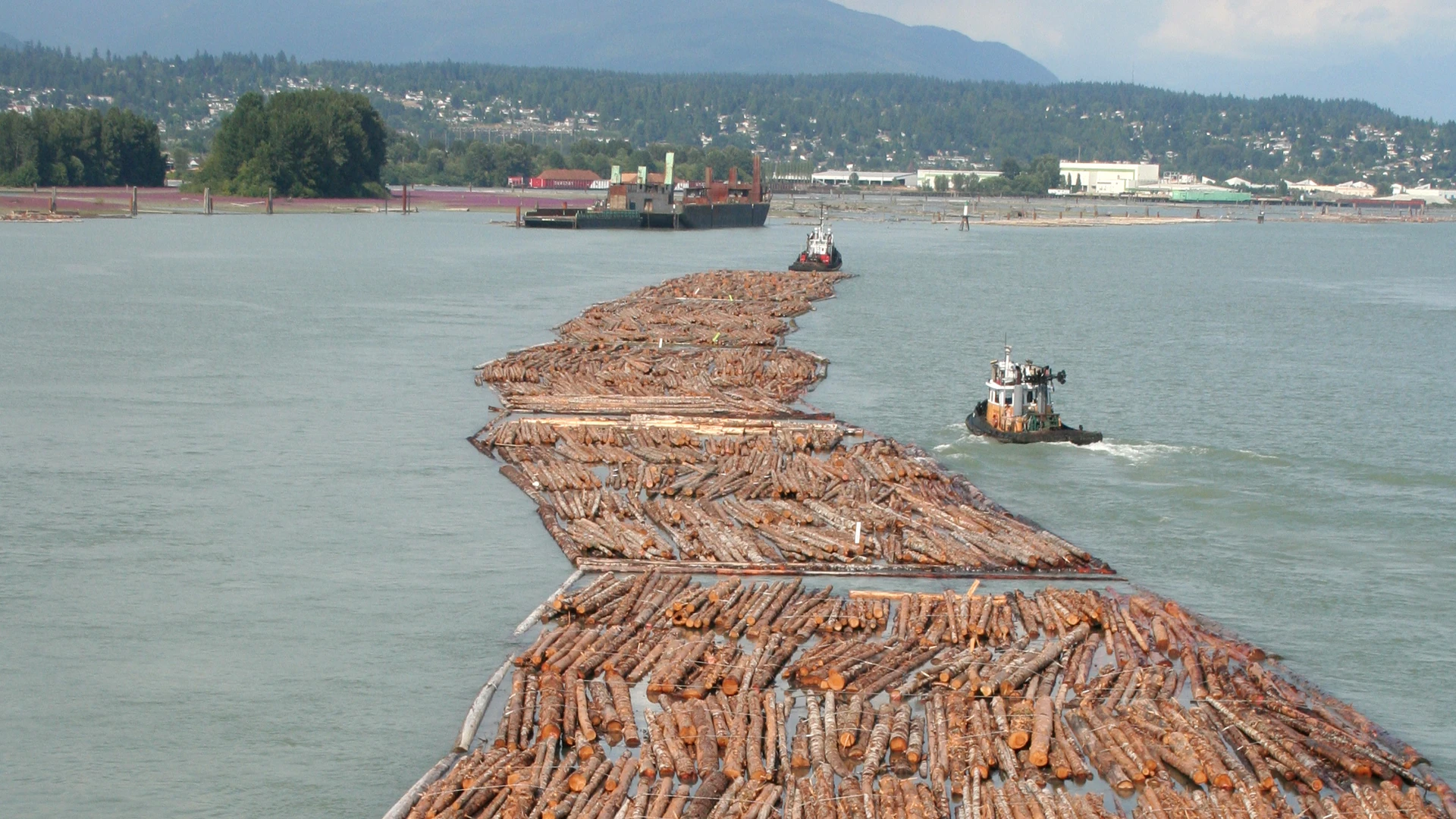
The United States has imposed a steep anti-dumping duty of 20.56% on Canadian softwood lumber imports, a move that strikes another heavy blow to British Columbia’s forestry sector, already weakened by years of mill closures and widespread layoffs.
The U.S. Commerce Department’s final determination, which will soon be published in the Federal Register, comes amid an escalating trade dispute between Canada and the U.S. and has been condemned by B.C. industry groups as punitive and protectionist.
B.C. Forests Minister Ravi Parmar described the decision as a “gut punch,” warning of inevitable curtailments and further job losses while noting that the impact will also hit American homeowners, potentially increasing the cost of building or renovating a house in the U.S. by $15,000 to $20,000 USD. The B.C. Lumber Trade Council has cautioned that if the pending review on countervailing duties aligns with preliminary findings, the combined rate on Canadian softwood shipped south of the border could soar past 30%, following April’s preliminary combined rate of 34.45%, more than double the previous 14.54%.
The new duties also carry a retroactive burden: the U.S. Commerce Department has ordered Canadian producers to pay duties on all softwood lumber exported since January 1, 2023. Andy Rielly, chair of the Independent Wood Processors Association of B.C., warned that such retroactive payments could push small and medium-sized producers into insolvency, forcing some to use personal assets, including their homes, as collateral to secure the necessary bonds.
The United States remains the largest market for B.C.’s softwood lumber, representing over half of the province’s $10-billion industry, but the sector faces multiple challenges, from the long-standing trade dispute to reduced timber supply caused by the devastating mountain pine beetle infestation and a steady shift of investment to U.S.-based mills. According to Statistics Canada, B.C. has lost over 40,000 forestry jobs since the early 1990s.
Kim Haakstad, CEO of the Council of Forest Industries, urged the provincial government to take immediate action by unlocking timber sales, expediting permits and cutting regulatory barriers to signal a genuine commitment to rebuilding the sector, adding that restoring production to historic levels could generate more than $300 million in revenue for the province.
Kurt Niquidet, president of the B.C. Lumber Trade Council, also highlighted the added uncertainty brought by a U.S. federal investigation into lumber imports on “national security” grounds, warning that such measures, combined with the new tariffs, could further destabilize the industry. He emphasized that U.S. domestic producers can only meet about 70% of demand, with the remaining 30% imported, most of it from Canada, and British Columbia as the leading supplier.
Canadian Prime Minister Mark Carney has indicated that any future trade agreement with the U.S. might include quotas on softwood lumber, a move aimed at reducing volatility but one that would still constrain B.C.’s export potential. For now, the province’s forestry workers, industry leaders and officials are bracing for the combined impact of higher tariffs, retroactive duties and ongoing mill closures, a combination that threatens the future of one of British Columbia’s most important economic sectors.